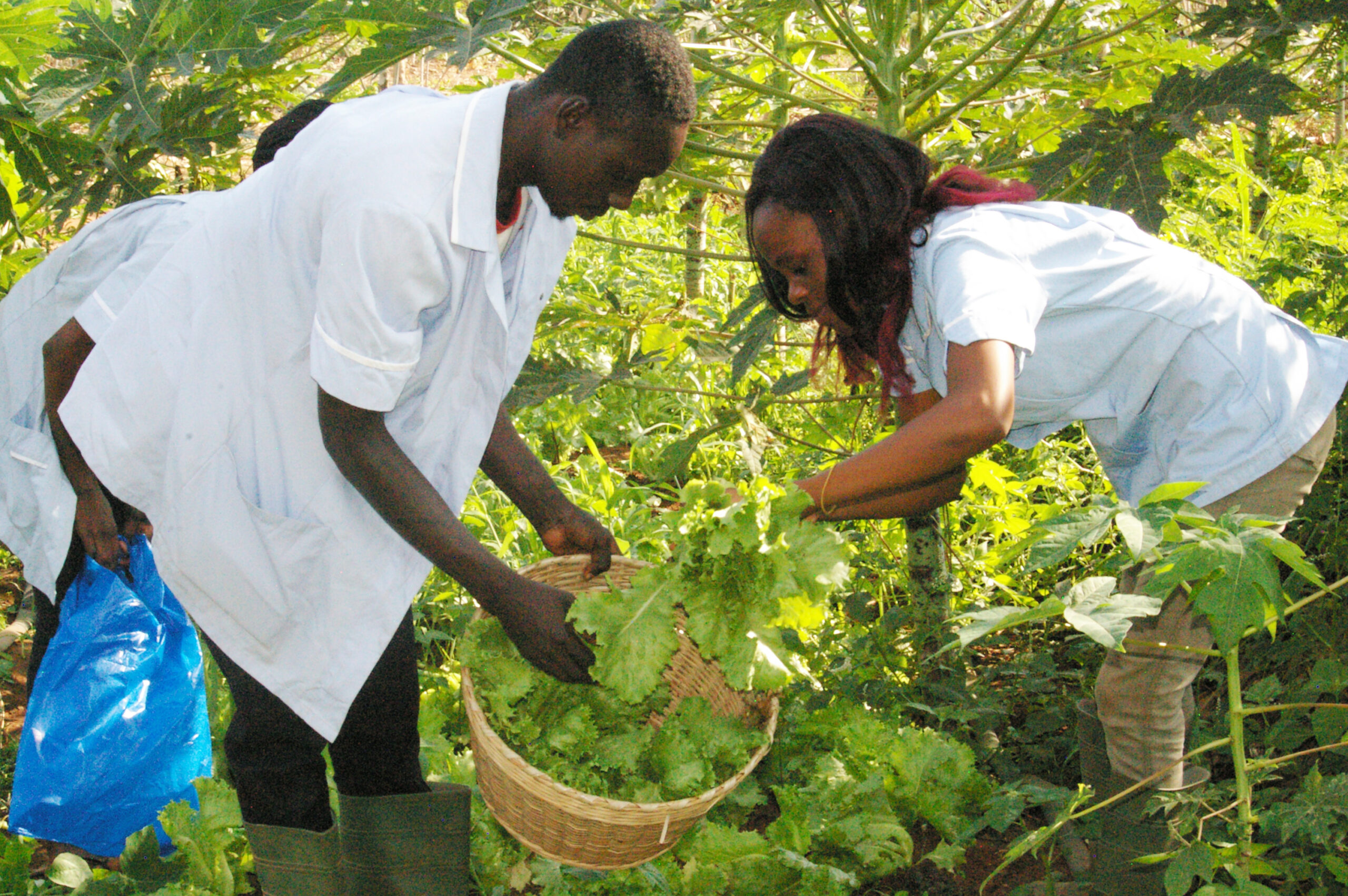
Faced with the agricultural and environmental challenges confronting Africa, local initiatives are already providing concrete solutions, rooted in the realities on the ground and a long-term vision. Among them, Sichem stands out as a place where agroecology becomes much more than a practice: a path of human, social, and spiritual transformation.
For more than 30 years, this experience has shown that another model is possible — a model where land, people and communities grow together.
Sichem: When vision becomes tangible reality for over 30 years
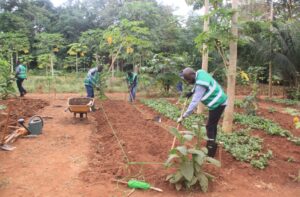 To understand concretely how these principles of agroecology can transform a region, we must turn our attention to a remarkable experience that has been thriving for more than three decades in West Africa: Sichem.
Sichem is not an ordinary farm, nor even simply an agricultural school. Sichem is a place that inspires and where dreams are born. It is a farm-school for production and training, driven by a vision that transcends mere agronomic concerns: that of a strong Africa, capable of taking charge of its own destiny by harnessing its human potential and natural resources. This vision does not exist in the abstract. It is embodied in a living partnership, notably with Fondacio, which has supported Sichem since its inception.
At the heart of Shechem resonates a conviction, expressed in a quote that guides the daily work of all those involved: “The true wealth of nations lies in the untapped potential of their men and women” (Amartya Sen). It is not the land, nor the machinery, nor even the harvests that constitute Shechem's true wealth. It is the radical conviction that every human being carries within them an extraordinary potential, just waiting to be revealed and cultivated.
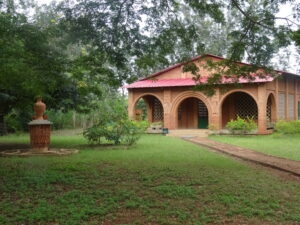
What makes Shechem unique: an awareness that changes everything
What makes Shechem unique is not an agricultural technique, nor a well-structured program written on paper. It is the fruit of a profound realization: the recognition that poverty is not inevitable. What makes Shechem unique is that ordinary people have chosen to come together to change their lives and help others open their eyes.
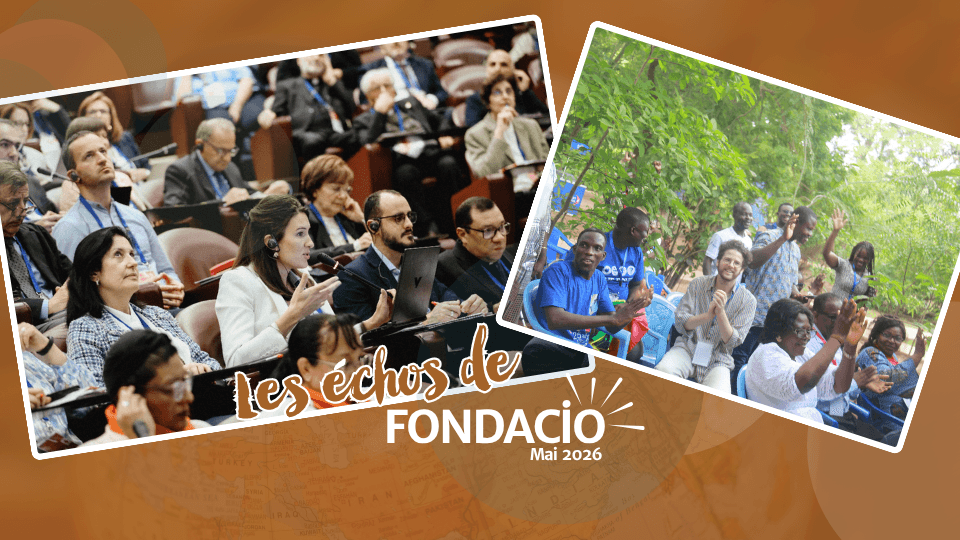
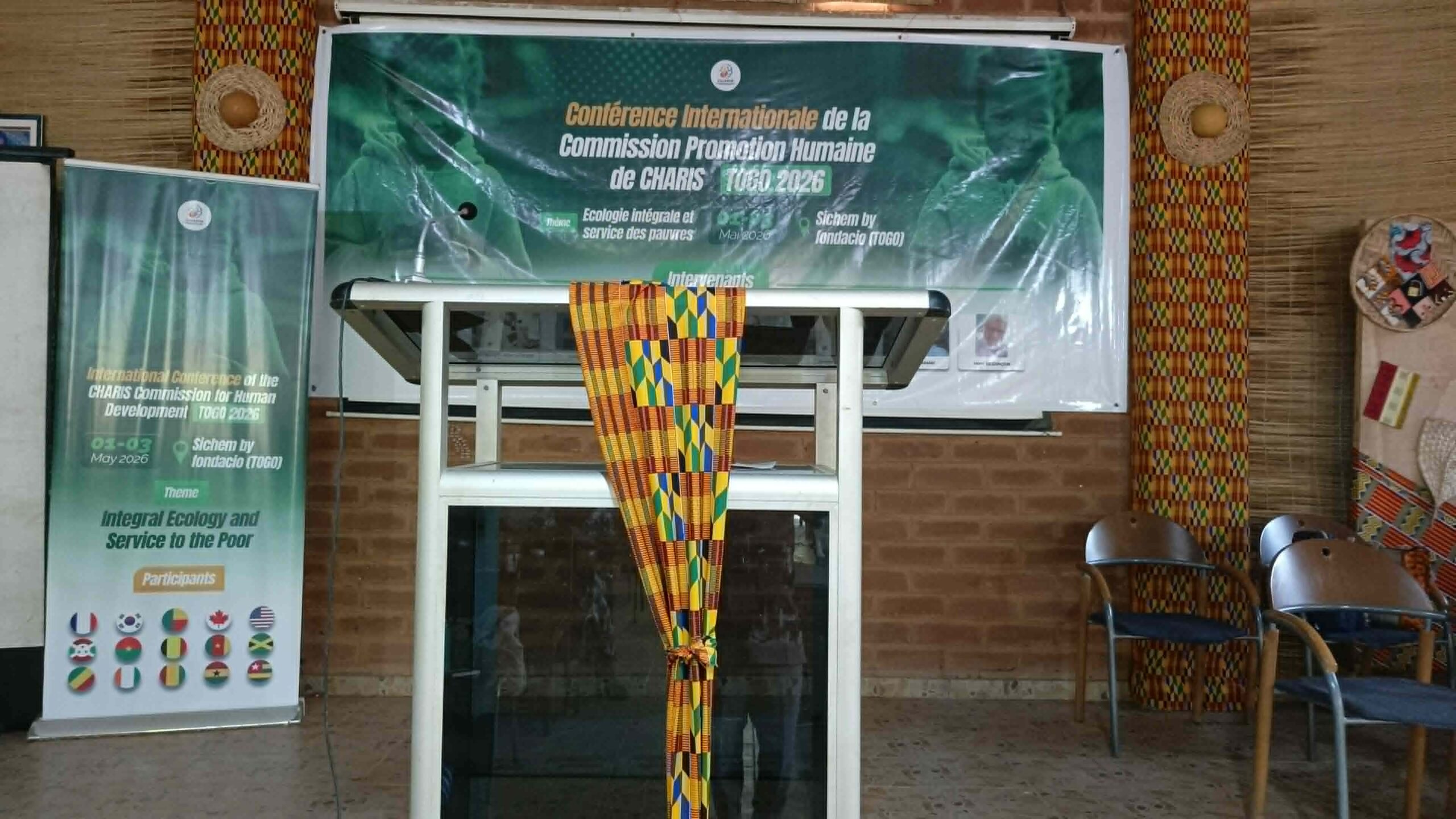
Sichem is first and foremost a vision of humanity, Africa, and the world. It is the fruit of a journey of human and spiritual transformation supported by prayer groups and community engagement. What matters at Sichem is not the achievements, however impressive they may be. It is who we become through these achievements. This is an important distinction: Sichem does not simply aim to produce more or better. It aims to transform the people who embark on its adventure. This year, Sichem is also hosting a major international event: the conference of the CHARIS Human Development Commission, a sign of the recognition and reach of this experience beyond its borders.
The pedagogy of change: training to transform
Sichem has adopted a radical pedagogical approach based on raising awareness. The goal is not to passively transmit knowledge, but to "train in order to transform." It's a process where experimentation plays a central role. The Sichem team reaches out to others, discovers what they do, learns from them, and together implements what can be done in the local context. This is what an African sage calls "selective absorption": taking what is good, from all places and all sources, and adapting it intelligently and creatively to the specific context.
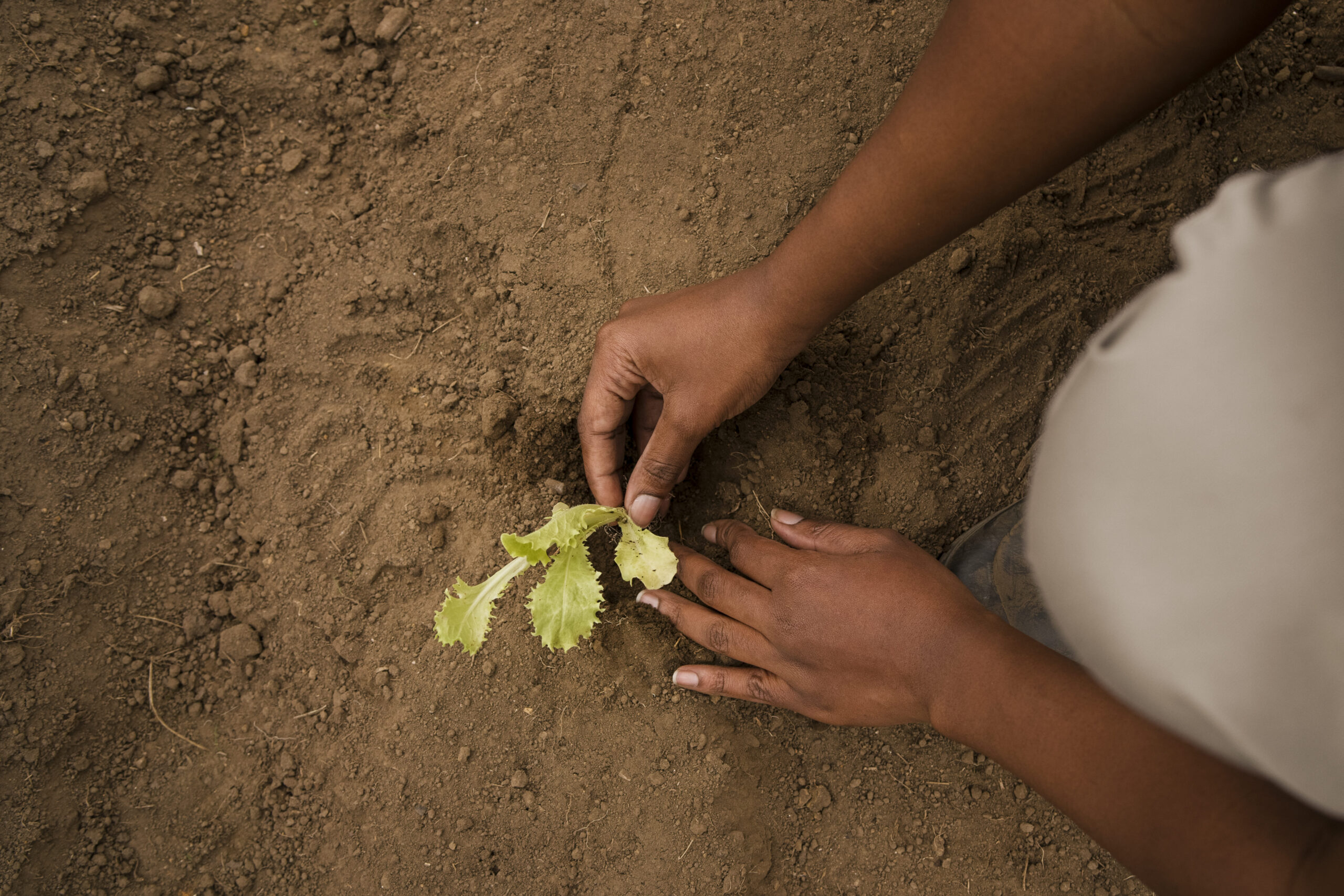
Regarding agroecology specifically, Sichem has made a fundamental choice: agroforestry is the cornerstone of all its practices. Trees are not just one element among many; they are central. This decision translates concretely into the protection of existing local species and the judicious introduction of suitable new species. And as an inevitable corollary to this vision, Sichem has made the radical choice not to use synthetic chemical inputs. No poison is poured onto the land. No dependence on large corporations is created. Just agriculture that respects the rhythm of nature.
Human transformation: what changes when you live the Shechem experience
The experience offered in Shechem is not simply professional. It is an integrated human and professional experience that helps participants open their eyes and see life differently. Some arrive in Shechem trapped in a limited vision of what is possible. Some leave transformed, having gradually accepted the values upheld by this place.
The concrete and fundamental change observed in all those participating in the Sichem adventure is unique: it is the visceral realization that each person is responsible for their own life and an agent of the social changes they desire. This does not mean an overwhelming responsibility. Paradoxically, it is a liberation. For recognizing that one is an agent of change means empowering oneself to break free from passivity and fatalism.
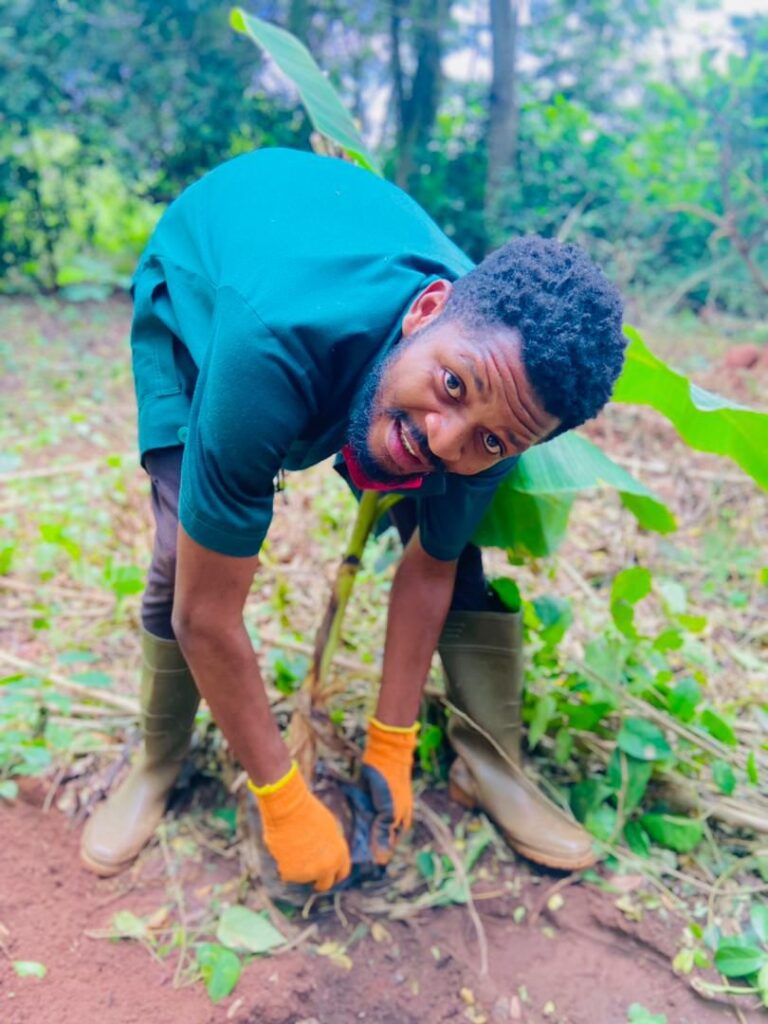
A story of transformation: dreams that come true
Those who have spent time in Shechem leave with much more than just agricultural knowledge. They leave with a renewed motivation to realize their dreams. They leave with concrete ideas and projects, fueled by their experience. They leave with a set of values that restructures their relationship with the world. They leave with a confidence in themselves and in life that they may not have possessed upon arrival. And practically speaking, they leave with the tools and knowledge to bring their dreams to life.
Among those who fully participated in the creation and development of Shechem itself, the personal transformations are even more profound. For these pioneers, Shechem gave meaning to their deepest dreams and aspirations. Through Shechem, they were able to experience a simple yet transformative truth: "One tree does not make a forest." They discovered, not intellectually but in the very flesh of their experience, that the path to liberation and personal fulfillment lies in giving one's life for a cause greater than ourselves.
For these pioneers, Sichem became a concrete realization of a simple yet profound principle: " Being oneself, being with, and being for." This is not a slogan. It is a way of life that completely transforms those who adopt it.
Throughout the pivotal moments in Sichem's history, the same phenomenon has consistently recurred: as a team, starting from their personal aspirations, the founders shared their dream for Sichem. Each contributed their unique perspective to a collective vision. And in this process, they discovered the power of teamwork, the magic of co-creation. What they now wish to pass on is simple yet profound: the ability to believe in oneself and to take initiative to transform one's life and impact one's community.
Dialogue between continents: a mutual wisdom
A legitimate question arises: can Africa be a source of inspiration for the world? The answer is yes, but it is more nuanced than a simple proclamation of superiority. The world needs Africa. Africa needs the world. What one lacks, the other provides. It is not an admission of weakness to say that we need others. It is an acknowledgment of the interdependent reality in which we all live.
But Africa has something unique to offer the world today: a vision of harmony with nature, an understanding of natural cycles, and a shared wisdom. This is precisely what African agroecology can teach a world saturated with excess, poisoned by extractivism and the systematic violation of the natural balance. This is not a nostalgic appeal to the past. It is an urgent call to collective work and co-creation. As Dr. Ferdinand Adjindjita, Director of IFF Africa, reminds us, drawing inspiration from the family motto Gnenodou, “ Africa’s future is built when the sons and daughters of this continent realize that it is together that we will pull the canoe upstream.”
The Silent Revolution: Why Good Doesn't Make Noise
The expression "silent revolution" seems almost paradoxical. Revolutions usually shout. They demonstrate. They make noise. But an adage has long existed: "Good deeds are done quietly."
Sichem and the similar initiatives it inspires are quietly following in the footsteps of pioneers who have long been paving the way toward "a more humane and just world." They don't make headlines. They don't generate heated discussions on social media. They quietly transform lives and silently reshape future possibilities.
And yet, concrete signs of transformation are everywhere for those who look. Across the continent, people are rising up. We hear prophets speaking a new language. We see the emergence of initiatives that invite humanity to abandon the path of unbridled wealth accumulation at the expense of others and embrace a path of greater being and sharing. We are collectively called to abandon initiatives that lead to war and adopt initiatives that promote peace.
Why are these changes still largely invisible to the general public? The answer lies in another piece of wisdom: "When a tree falls, you hear it; when the forest grows, there is no noise." The profound transformation of the continent is happening in silence. Young people discovering agroecology in remote villages don't make headlines. Regenerating ecosystems don't generate media buzz. Transformed lives are lived within the privacy of communities. But cumulatively, silently, a forest grows.
How everyone can contribute
But this does not mean that only the young people of Shechem bear this responsibility. Every person, every organization, every entity that shares this same vision can join this movement. For a popular saying simply states: "Alone we go fast, together we go further."
Everyone can contribute in different ways. Technical partners bring their expertise. International organizations provide resources. Governments contribute policies. Young people bring their energy and creativity. Elders bring their wisdom. Farmers contribute their knowledge. Scientists contribute their expertise. Everyone is called upon to find their place in a process of pooling actions and ideas.
The forest grows silently
Agroecology in Africa is not an academic theory. It is a living reality unfolding before our eyes in thousands of communities, driven by men and women who have chosen a different path. It is a silent revolution because it does not seek to conquer, but to transform. It does not shout: it succeeds. It does not force: it attracts.
Sichem is a beacon in this darkness. But this agricultural school in Togo exists only because it is driven by a greater vision: that of an Africa capable of feeding itself, capable of respecting its land and its people, capable of building prosperity not on destruction. An Africa standing tall, capable of sharing with the world not only its resources, but its wisdom.
The road is long. The challenges are formidable. But the proof exists. The transformations are real. And everywhere, silently, the forest grows.