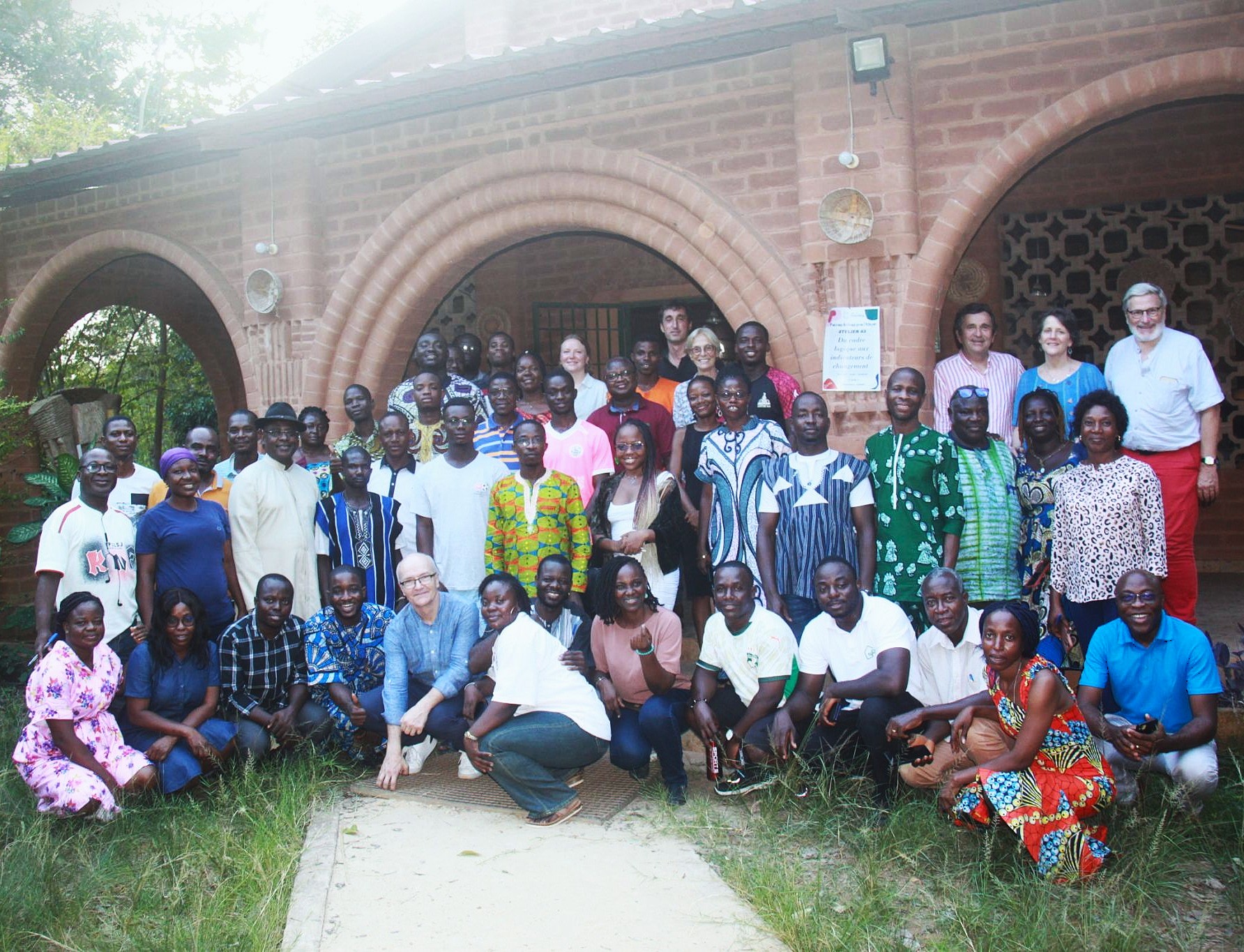
On the ground, project managers are often the only ones responsible for respecting teams, budgets, and vulnerable people. From November 16 to 20, 2026, in Sichem, Togo, fifty of them took a week to pause, train, and meet as part of the Actors for Africa Program.
Why strengthen the capacities of field actors?
A life-changing project depends not only on the good intentions of its creator. It depends on their ability to quantify their needs, measure the changes, build lasting partnerships, and protect the people they support. Without these tools, the momentum fades, or the results remain invisible, even when they are real. Equipping them with these tools allows them to sustain what they have started.
Tools alone are not enough. Many managers spend their days responding to others and rarely asking themselves how they are doing. Having a space where one can express doubts without being judged, where one is listened to for what one is experiencing, changes the way a mission is carried out.
 Learning from peers
Each participant arrived with their own project. During the week, the workshops took place in small groups of ten people, alternating between individual work and peer consultations. One manager saw what their neighbor didn't: an invisible human resource, unaccounted-for volunteer work, a forgotten step in the project design. Different countries, different languages, but similar questions. It is in this exchange that ideas mature.
 Six workshops to leave with a concrete deliverable
Each participant attended all the workshops, each lasting half a day: valuing human and financial resources, establishing roots in the local community and building partnerships, moving from a logical framework to indicators of change, gathering evidence of change, integrating an income-generating activity, protecting and supporting individuals, and communicating about their project. A one-hour individual budget consultation completed the program. Everyone left the week equipped with tools they could use immediately upon their return.
Protecting people, a shared responsibility
The protocol for respectful treatment and the ethical charter played a central role. These rules are not mere formalities. They define how a manager treats the people they support and what they are prepared to guarantee for them.
What happens in Sichem goes beyond a single week of work. Giving leaders who have grown on the ground a place where they can come together, feel a sense of belonging to the same movement, and return with shared ideas, allows a local initiative to become a lasting force. A community only thrives if those who lead it respect themselves.
Le vendredi, le bilan collectif a réuni l'ensemble du groupe. Chacun a dit ce qu'il importait et ce qu'il comptait mettre en œuvre dans son territoire.
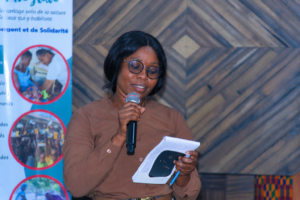 « J'ai quitté l'atelier avec une satisfaction totale. J'y ai acquis de nouvelles expériences, et surtout de belles richesses humaines : c'est ce qui m'a le plus touchée. Je sais de quoi je parle. Dans mon engagement, je veux capitaliser ces nouvelles connaissances et les transformer en actions concrètes, aussi bien sur le plan professionnel que personnel. » Marcelle, Togo
Ce qui s'est vécu à Sichem ne reste pas dans une salle. Il se répartira dans les villages, les quartiers et les équipes, portés par cinquante personnes qui savent désormais un peu mieux comment tenir.
Pour découvrir les parcours et les communautés en Afrique, rendez-vous sur fondacio.org.